The first hard frost usually shows up in Rockingham County sometime in late October, and it never sends a warning. One week you’re mowing the yard, and the next you’re bumping the thermostat before breakfast. If your home runs on heating oil, a little winter prep now means you won’t be the one calling around on a 15-degree January night. These winter heating oil tips are the same ones we share with neighbors from Harrisonburg to Broadway every fall.
Start With the Gauge on Your Tank
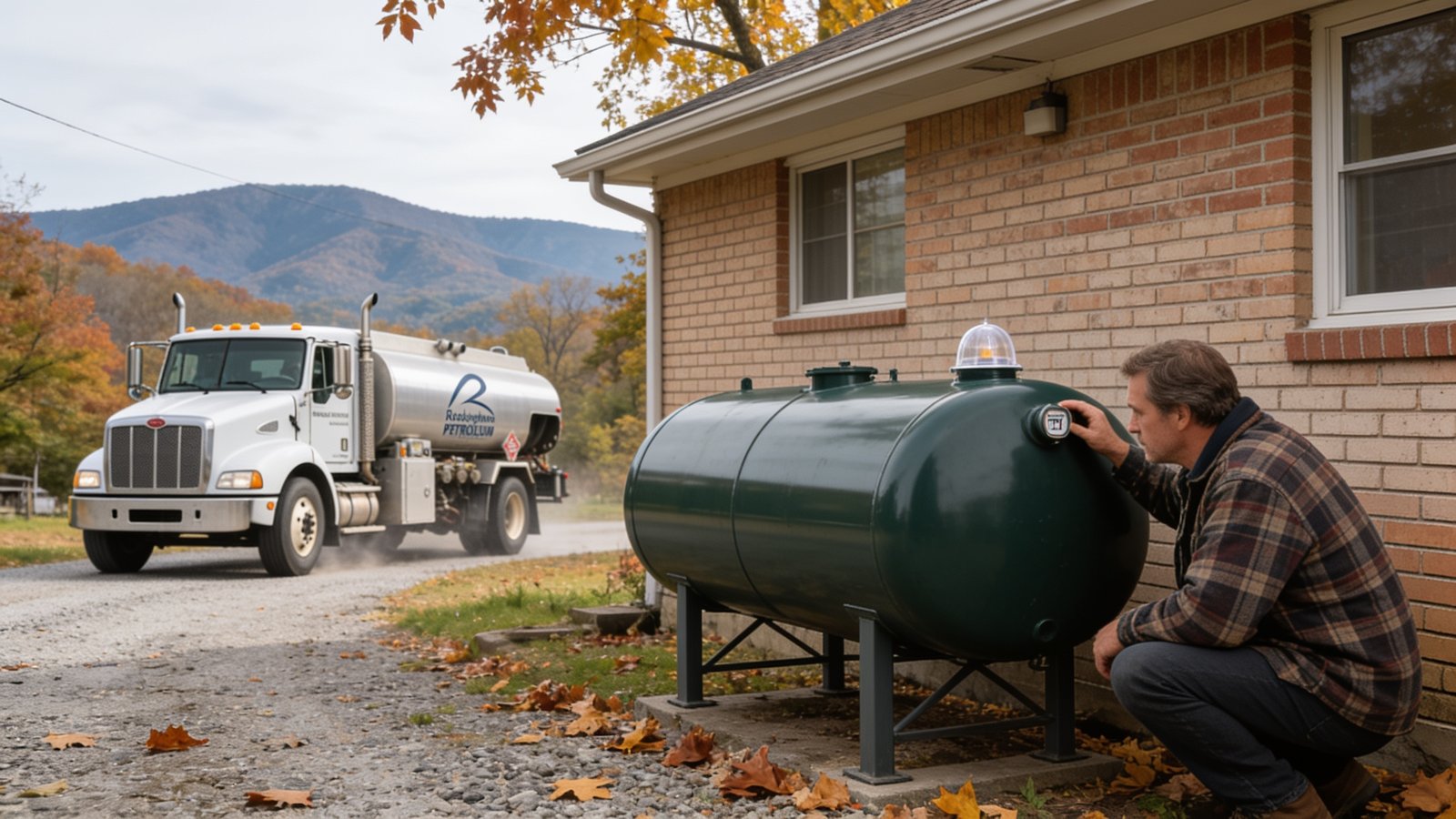
Most indoor and outdoor heating oil tanks have a simple float gauge on top: a small clear dome with a marker that reads F, 3/4, 1/2, 1/4 and E. It takes ten seconds to check, and it’s the single best habit you can build this winter.
A few things worth knowing:
- Read it on the same day each week. Pick something easy to remember, like trash day, so you notice how fast the level drops when cold weather sets in.
- Call at one-quarter, not empty. Delivery routes fill up quickly after a cold snap. Ordering at a quarter tank gives everyone room to work.
- If the marker looks stuck, press gently on the top of the dome. If it still doesn’t move, let us know so we can take a look.
Running a tank completely dry is more than an inconvenience. It can pull sediment from the bottom of the tank into your fuel line and filter, which may mean a service call before the burner will fire again.
Let Automatic Delivery Do the Watching for You
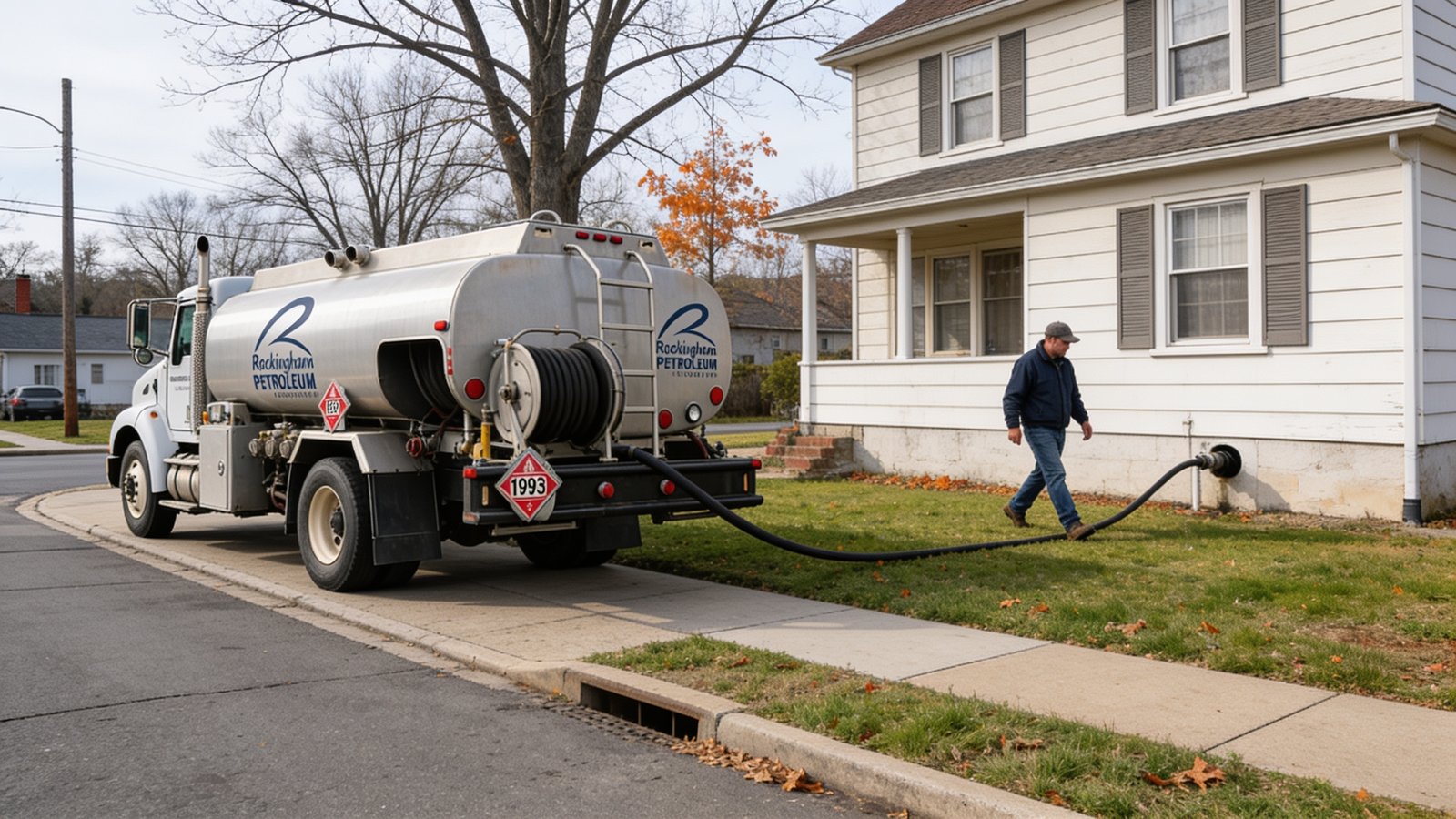
If checking a gauge every week sounds like one more thing on the list, automatic delivery is the easy answer. We track how much heat your home has needed using local weather data (heating degree days) and your past usage, then schedule a delivery before you get low. You don’t have to call, and you don’t have to remember.
It’s especially helpful for:
- Older homeowners or anyone who can’t easily get to an outdoor tank in the snow
- Families who travel over the holidays
- Rental and farm properties where nobody checks the tank every week
Pair automatic delivery with a budget payment plan and your heating cost gets spread across the year instead of landing all at once in the coldest months. A steady, predictable monthly number makes winter a lot easier to plan around.
Get Your Oil Furnace or Boiler Cleaned Before the Long Haul
Your furnace or boiler is about to run harder than it has since last March. A cleaning and tune-up clears out soot, checks the nozzle and filter, and makes sure the burner is getting the right mix of air and fuel. A clean system burns more efficiently, which stretches every gallon you buy.
Signs your heating system is asking for attention:
- A smoky or oily smell when the burner kicks on
- Black soot around the burner door or the chimney connector
- Rumbling, puffing or delayed ignition
- Rooms that never quite get warm, even with the thermostat turned up
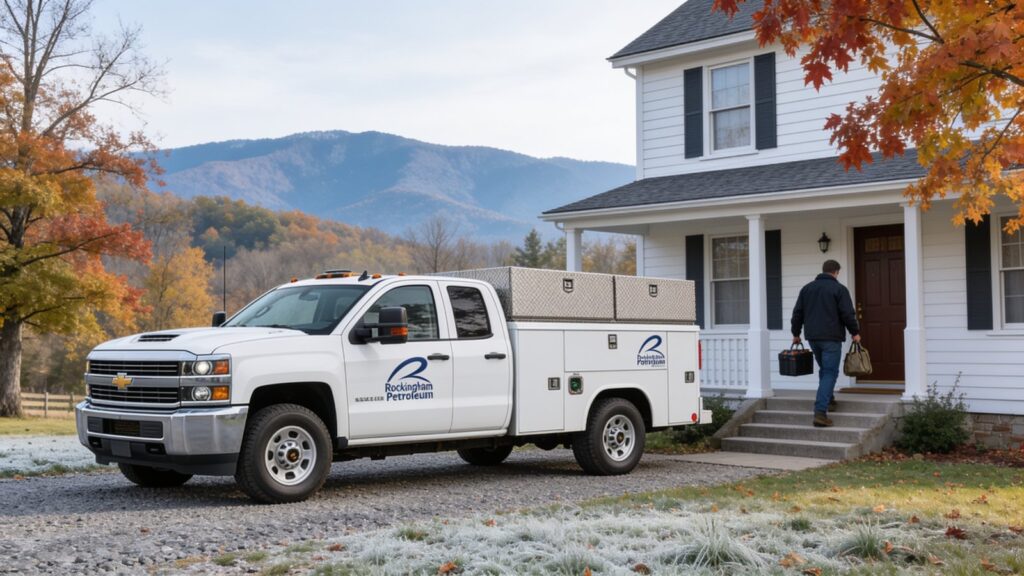
If you notice any of these, don’t wait for the first cold snap. Our service technicians clean and repair oil furnaces and boiler systems all over the Shenandoah Valley, and fall is a good time to get on the schedule.
Small Winter Habits That Save Heating Oil
Once the system is clean and the tank is full, a few everyday habits help your heating oil go further:
- Turn the thermostat down a few degrees at night and when the house is empty. A programmable thermostat makes this automatic.
- Check weatherstripping around doors and windows. A rolled towel at the bottom of a drafty door is an old trick that still works.
- Keep vents and radiators clear of furniture, curtains and boxes so heat can move through the room.
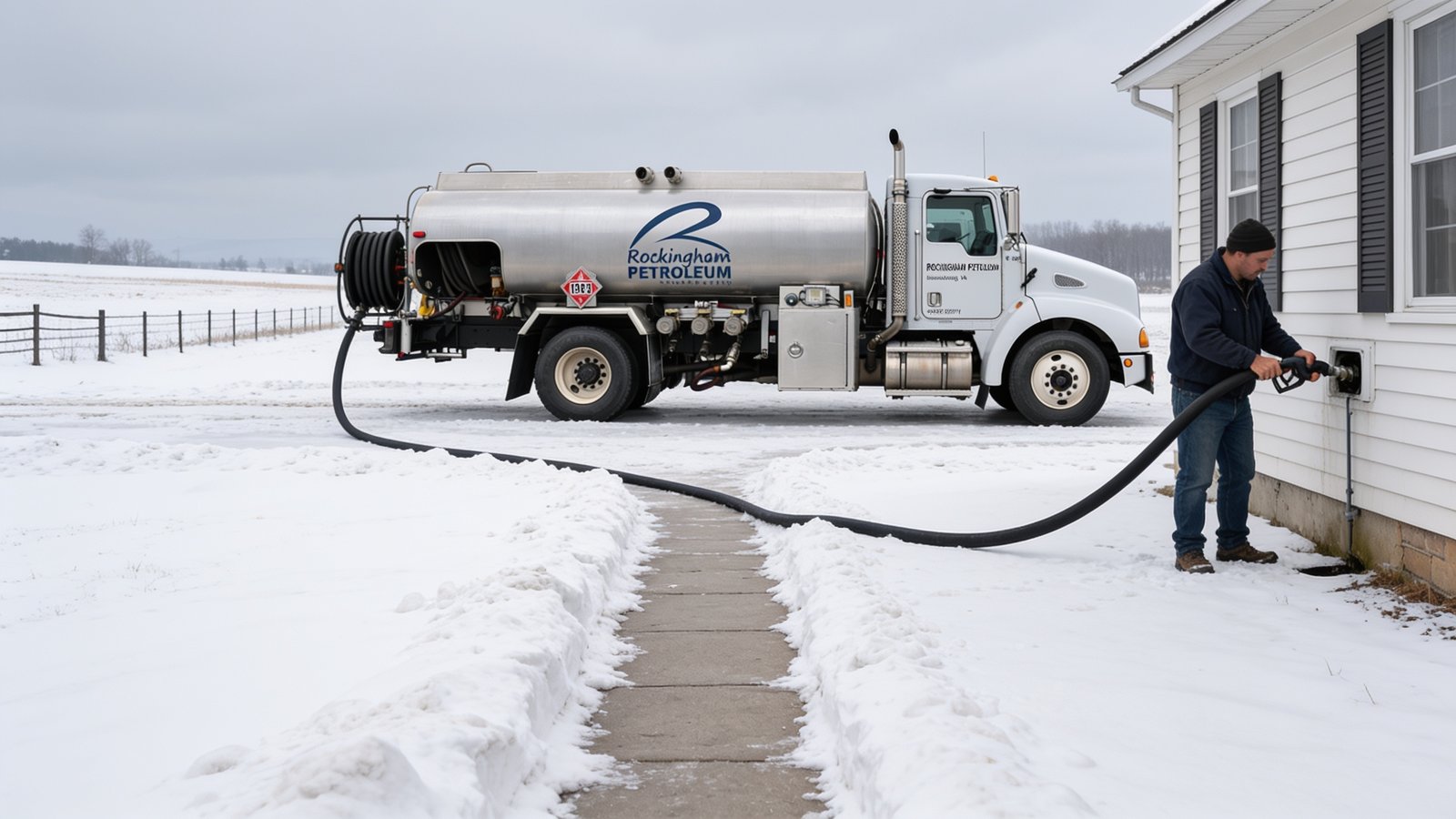
- Keep a clear path to the fill pipe. Shovel a lane after a snowfall so our driver can reach it safely, and keep the area around an outdoor tank free of brush.
If You Do Run Low
It happens to the best of us, usually during the week the whole family is home for the holidays. If your tank gets close to empty, call us right away and tell us how low the gauge reads. Turn the thermostat down a few degrees to stretch what’s left, and don’t try to restart the burner over and over if it shuts off. Repeated resets can flood the combustion chamber with oil. Once fuel is delivered, the burner may need to be bled and restarted, and our team can walk you through it or send a technician.
Local Help Since 1942
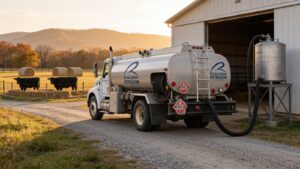
Rockingham Petroleum Cooperative has been delivering heat to homes in the Valley for more than 80 years. Our drivers know the back roads, the steep driveways and the farm lanes, and our office staff are your neighbors. As a member-owned cooperative, we’re rooted here, and every customer gets the same dependable service, member or not.
Your Winter Heating Oil Checklist
- Check your tank gauge weekly and order at one-quarter full
- Ask about automatic delivery and a budget payment plan
- Schedule a furnace or boiler cleaning before the first deep freeze
- Keep the path to your fill pipe clear all winter
- Save our number where the whole family can find it
Following these winter heating oil tips now means one less thing to worry about when the wind comes over the ridge. Contact us to set up automatic delivery, or give us a call at (540) 434-4321. We’re happy to help.