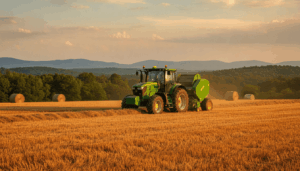
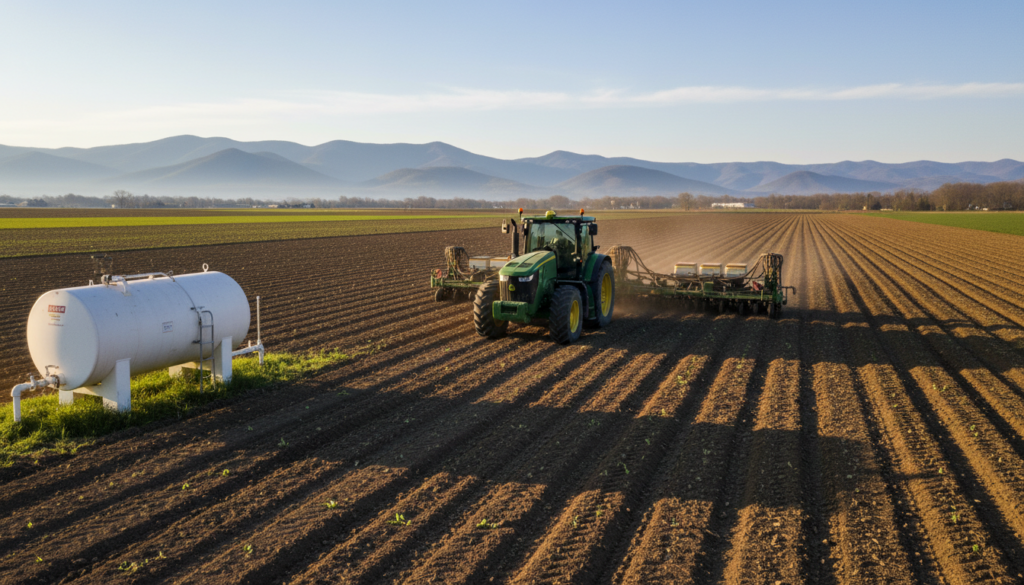
Spring planting in the Shenandoah Valley is one of the most demanding stretches of the farming year. The window is short, the weather doesn’t cooperate, and tractors, planters, and sprayers run hard from sunup to well past sundown. Behind every successful planting season is something a lot of folks don’t think about until it goes wrong: a smart fuel management plan.
At Rockingham Petroleum Cooperative, we’ve delivered diesel to Valley farms for more than 80 years, and the busiest weeks of spring teach us the same lesson every year — the farms that plan their fuel ahead spend more time in the field and less time chasing problems. Here’s a look at the strategies our farm members use to keep equipment running and budgets predictable through planting season.
Right-Size Your Fuel Storage Before the Rush
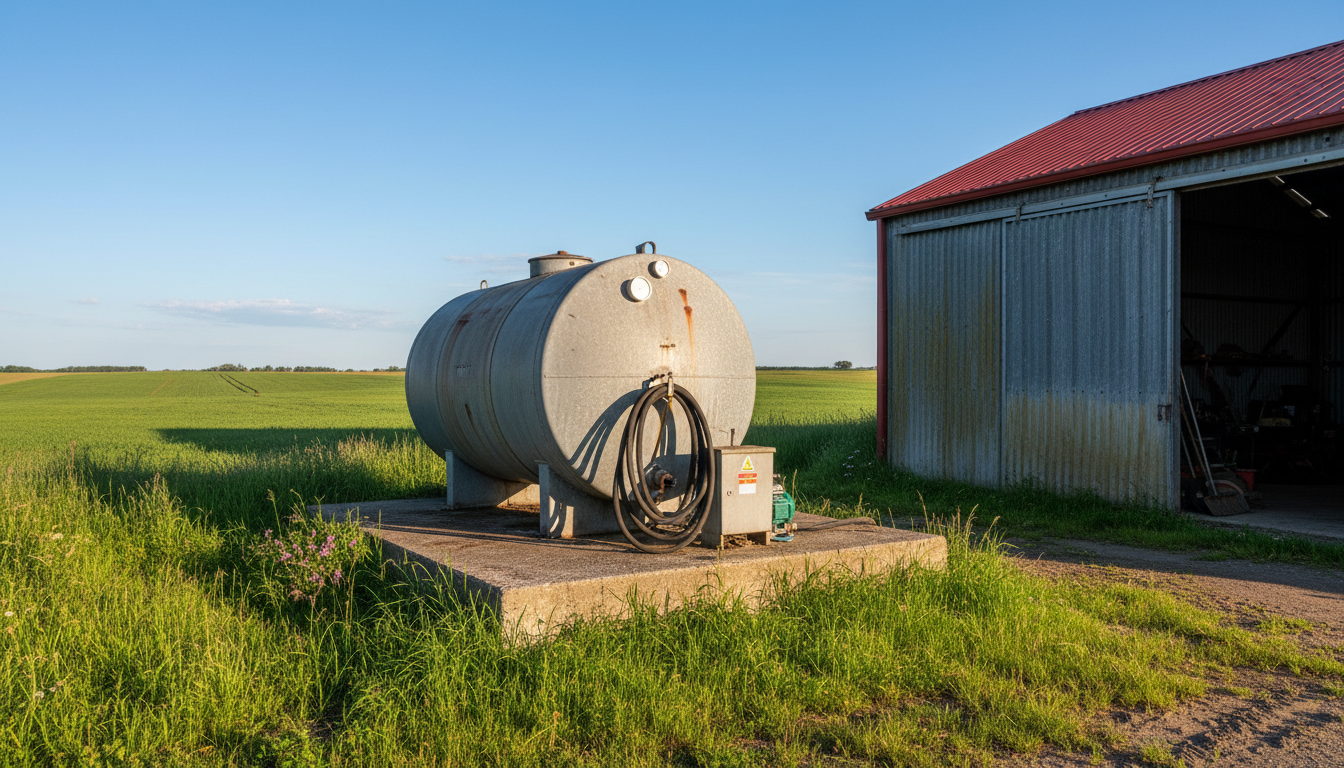
The first question to ask before planting starts is whether your on-farm storage matches your equipment’s appetite. A tractor that pulls a 16-row planter twelve hours a day can drain a small tank in a hurry, and an undersized fuel system means more delivery stops, more interruptions, and more risk of running short on the wrong day.
A few questions worth working through before April:
- What’s your daily peak burn during the busiest planting days? Multiply equipment running hours by typical fuel consumption per hour to estimate.
- How many days of fuel do you want on hand? Most farms aim for a week of cushion during peak season.
- Is your tank in the right place? Spring mud and rutted lanes can make some farm tanks hard to reach. If our delivery truck struggles to get to you safely, that’s an issue worth fixing now.
- Are you set up for both on-road and off-road diesel? Most farms need a mix — off-road for tractors and combines, on-road for trucks and haulers.
If your current setup is barely keeping up, this is the right time to talk through whether a larger tank, a second tank, or a better delivery schedule would help. We can size and install farm fuel storage and help you think through what fits your operation.
Use Bulk Fuel Delivery to Stay in the Field
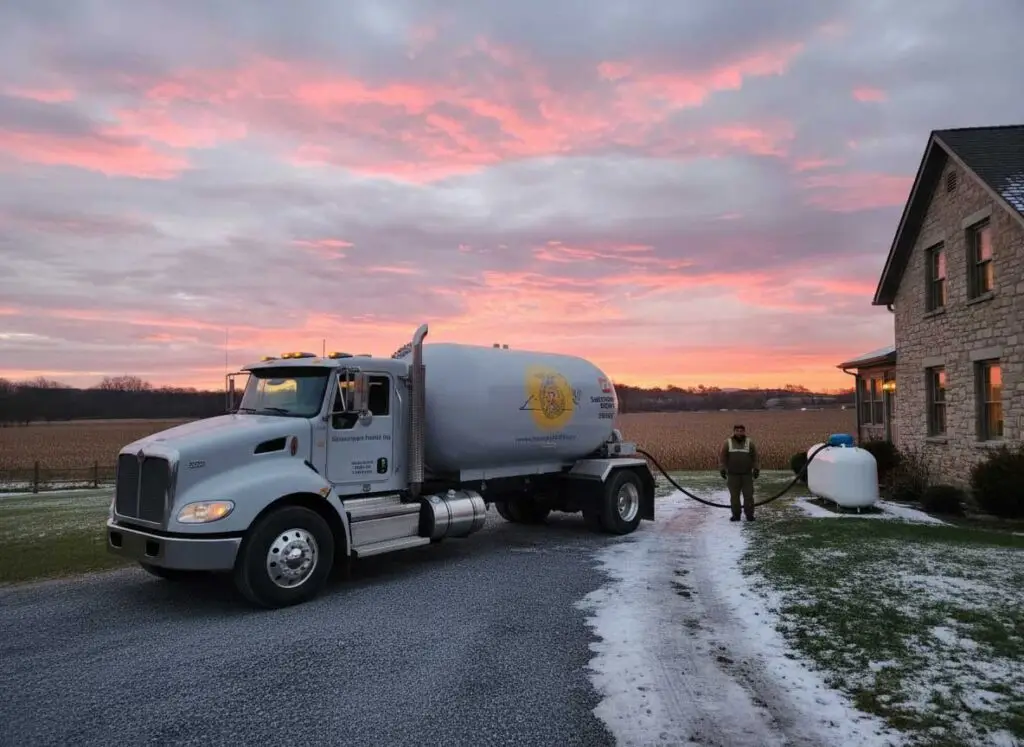
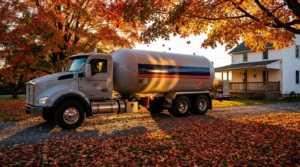
One of the simplest ways to win back time during planting is letting bulk delivery come to you. Running to a card lock or fuel stop a few times a week adds up fast when every hour counts. Worse, it means stopping work, sending an operator off the farm, and risking weather changes while equipment sits idle.
Our farm members use bulk delivery for a few practical reasons:
- Trucks come on your schedule. We work around your planting timeline, not the other way around.
- Larger volumes mean better pricing. Bulk diesel typically costs less per gallon than retail fuel, and that adds up over a season.
- Your operators stay in the field. No one has to drive a pickup loaded with cans to a fuel stop in the middle of a planting push.
- You always know what you’ve got. Tank monitoring or regular fills mean fewer surprises.
For farms running across multiple fields or properties, we can deliver to more than one location and coordinate the timing so nothing runs dry mid-day.
Plan for Quality, Not Just Quantity

Diesel quality matters more than people sometimes realize, especially in the Valley where spring temperatures can swing wildly. A cold snap in early April can put unprepared fuel in a bind, and dirty or water-contaminated diesel can take a tractor out of service at the worst possible time.
A few quality-focused habits worth building into your spring routine:
- Check tanks for water. Condensation builds up over the winter. Drain water from the bottom of bulk tanks before pulling fuel for the season.
- Inspect filters. Replace fuel filters on tractors and bulk dispensers ahead of heavy use, not after a clog.
- Watch storage temperatures. If a tank sits in direct sun all day, condensation cycles get worse. Shade or insulation can help.
- Use clean handling equipment. Hoses, nozzles, and transfer pumps that haven’t been used since fall should be checked before you start moving diesel into machines.
One thing our farm members appreciate: our diesel comes pre-treated with a premium pour point additive, so during shoulder seasons when temperatures are still unpredictable, you don’t need to add extra winter treatment yourself. That’s one less thing to manage when you’re already juggling weather, planting depth, and equipment.
Lock In Pricing Where It Makes Sense
Diesel pricing can move quickly, and a season-long swing can have a real impact on operating costs. We work with farm members on pricing strategies that fit their operation — whether that’s contract pricing, pre-buy programs, or simply staying on a delivery schedule that captures volume discounts.
Here’s how we usually frame the conversation:
- If price stability matters more than chasing the lowest possible price, contract or pre-buy programs let you lock in a known cost.
- If you have storage to take advantage of seasonal lows, we can plan deliveries around favorable pricing windows.
- If you’d rather just keep things simple, automatic delivery with regular billing makes fuel costs predictable and frees up your attention.
There’s no one right answer — the right approach depends on your acreage, your cash flow, and how you like to manage costs. Our team is happy to walk through the options with you.
Build a Plan With a Local Partner
What makes spring planting work is partnership. Equipment dealers, seed reps, lenders, and yes, your fuel supplier — the operations that run smoothest are the ones where everyone understands the schedule and shows up when needed.
As a member-owned cooperative serving the Shenandoah Valley since 1942, Rockingham Petroleum builds fuel programs around the realities of farming here. We know what wet springs look like in this part of Virginia. We know which roads turn to mud and which fields run a long way back. And we know that a missed delivery in late April is a much bigger deal than a missed delivery in February.
Our farm fuel services include:
- Bulk diesel delivery, both on-road and off-road, across Rockingham County, the Shenandoah Valley, and parts of West Virginia
- Farm fuel storage tank sales, installation, and maintenance
- Contract pricing, pre-buy, and automatic delivery options
- Multi-location delivery coordination for farms with fields spread across the area
- A local team that picks up the phone and knows the territory
If you’d like to talk through a fuel plan for this spring — or if you’re already running into uptime issues and need help fast — give us a call at (540) 434-4321. We’re here to help you keep planting on schedule.